Big Ideas For Littles
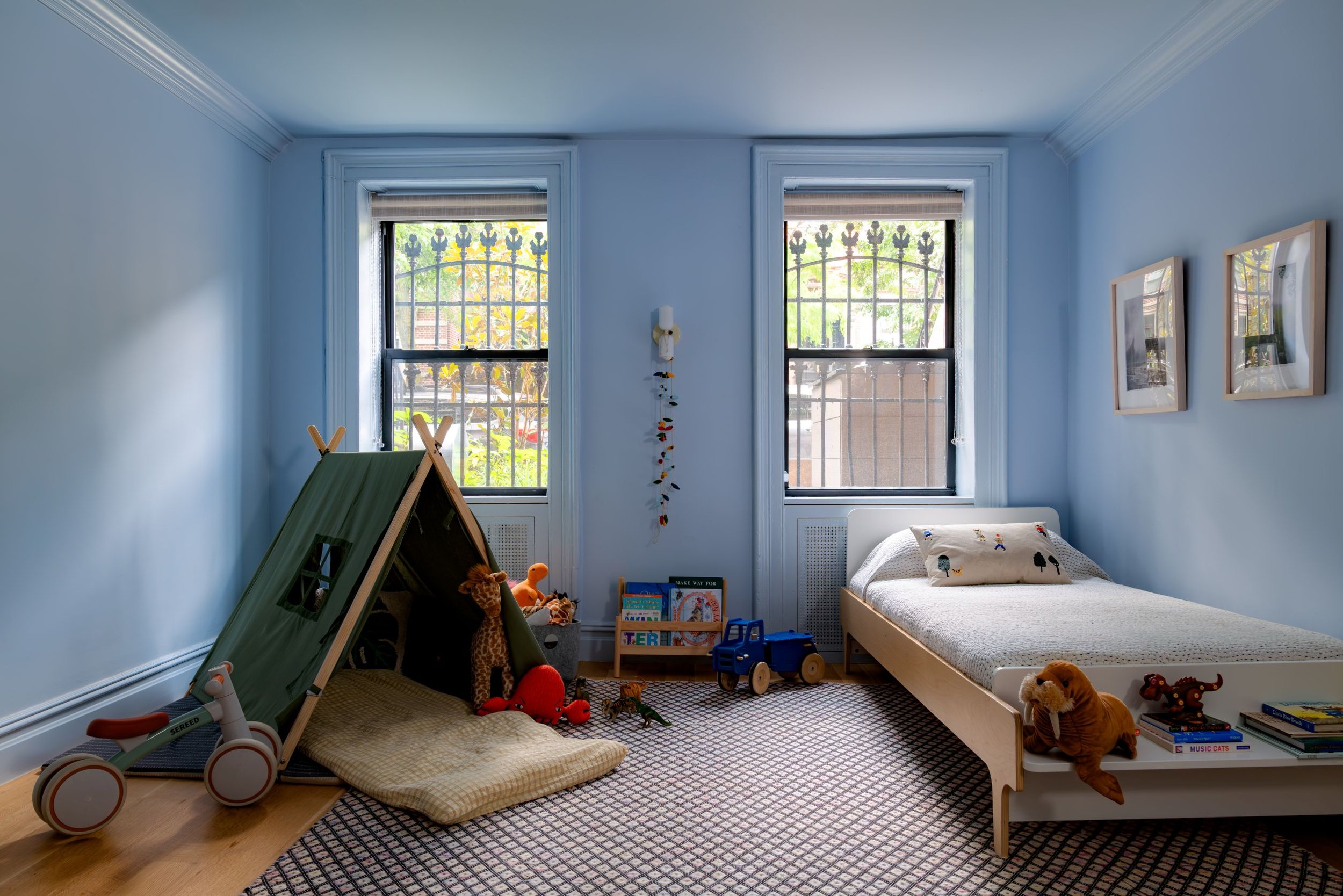
Clinton Hill child’s room
Designing for Children: Creating Spaces That Grow with Them
Designing for children offers a unique opportunity to create spaces that are both deeply personal and highly adaptable. Unlike other areas of the home, children’s bedrooms and bathrooms need to evolve over time, supporting everything from early childhood routines to the independence of adolescence. At Shapeless Studio, we approach these spaces with the same level of care and intention as any other room, balancing playfulness with longevity, and creativity with practicality.
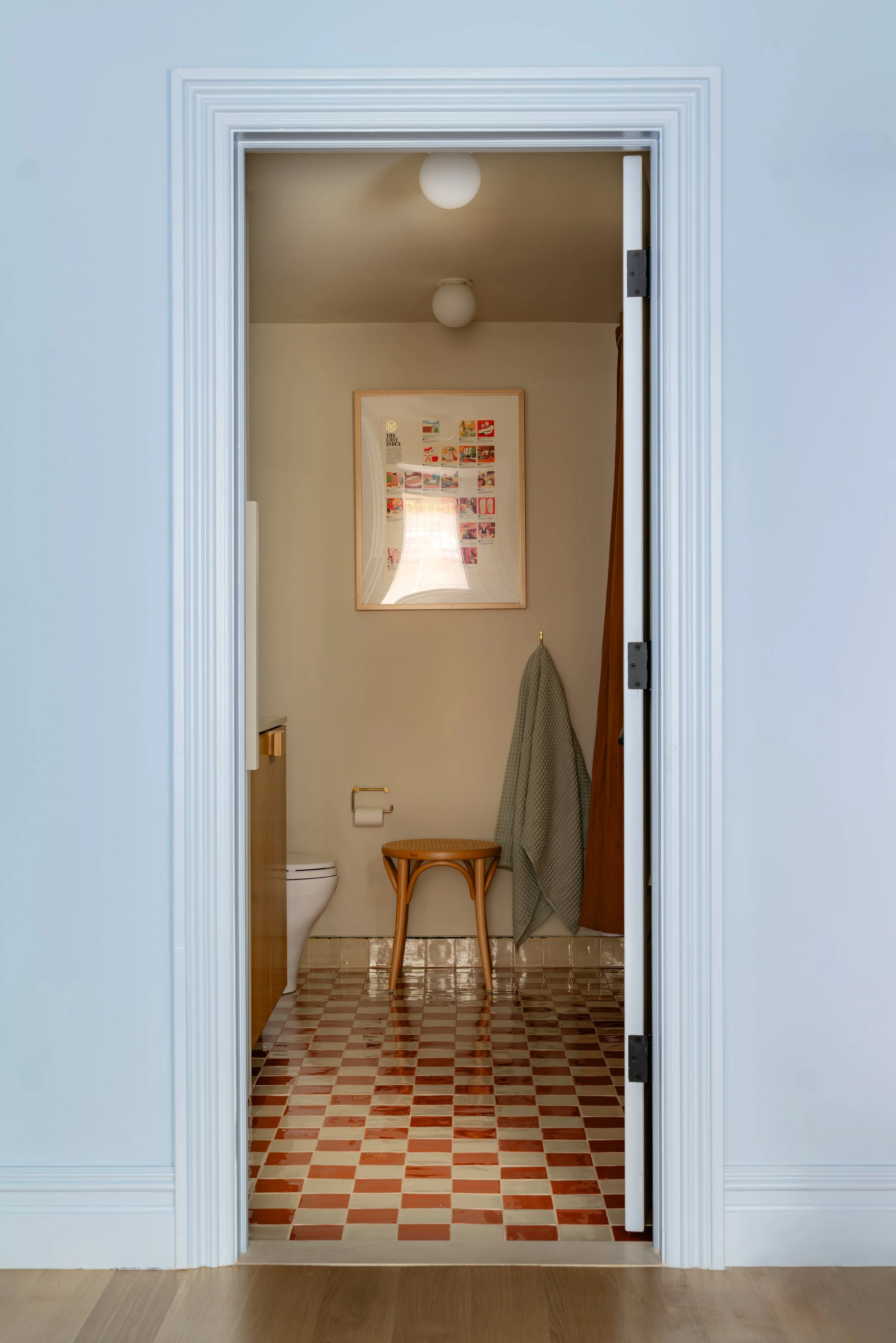
Clinton Hill child’s bathroom
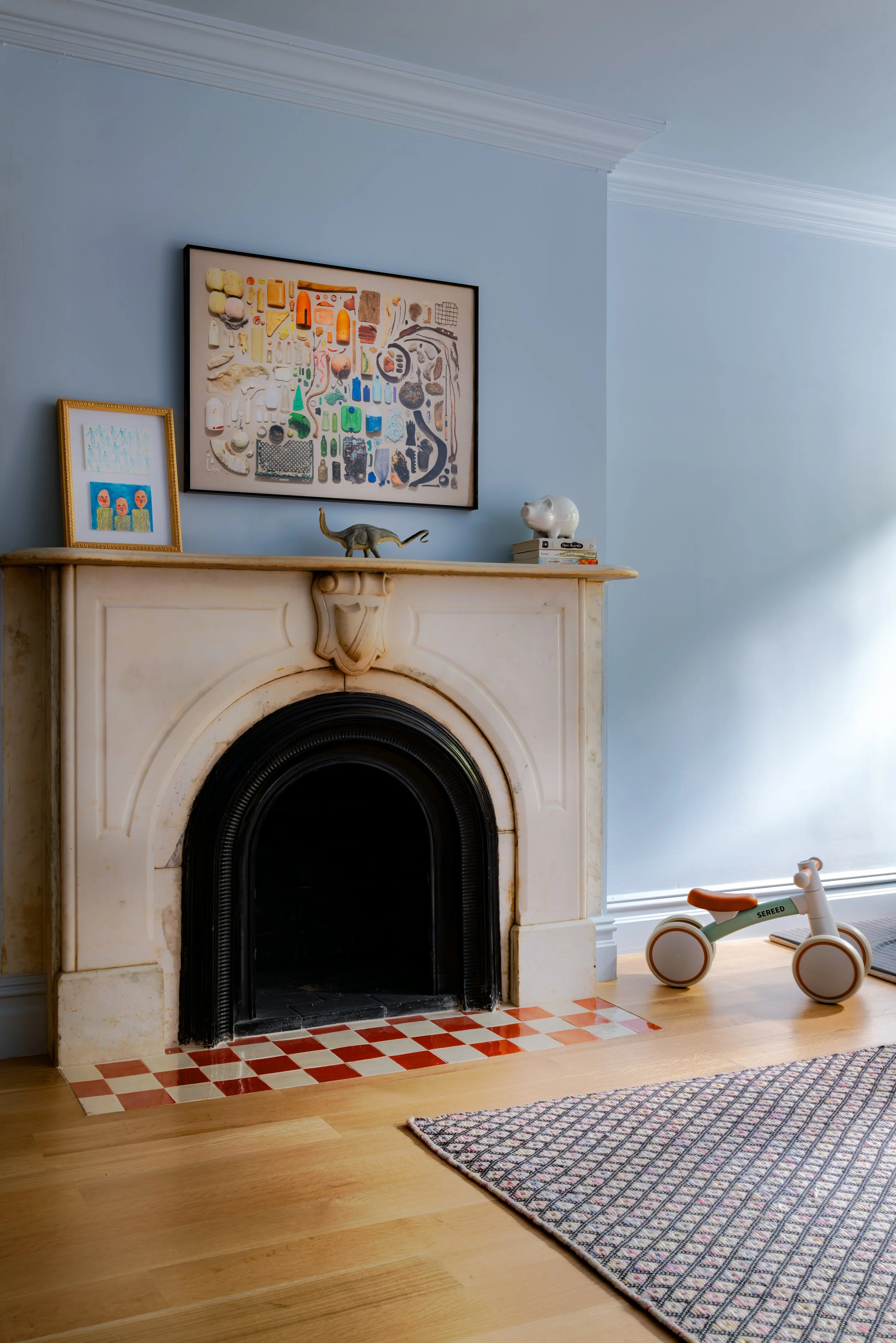
Clinton Hill child’s room - fire place detail
Designing Bedrooms That Feel Personal, Not Temporary
Children’s bedrooms are often where personality shows up most clearly. Color, pattern, and objects take on a different kind of importance here, offering a chance to create environments that feel expressive and comforting at once. Rather than designing a space that feels overly themed or age-specific, we focus on building a foundation that can grow.
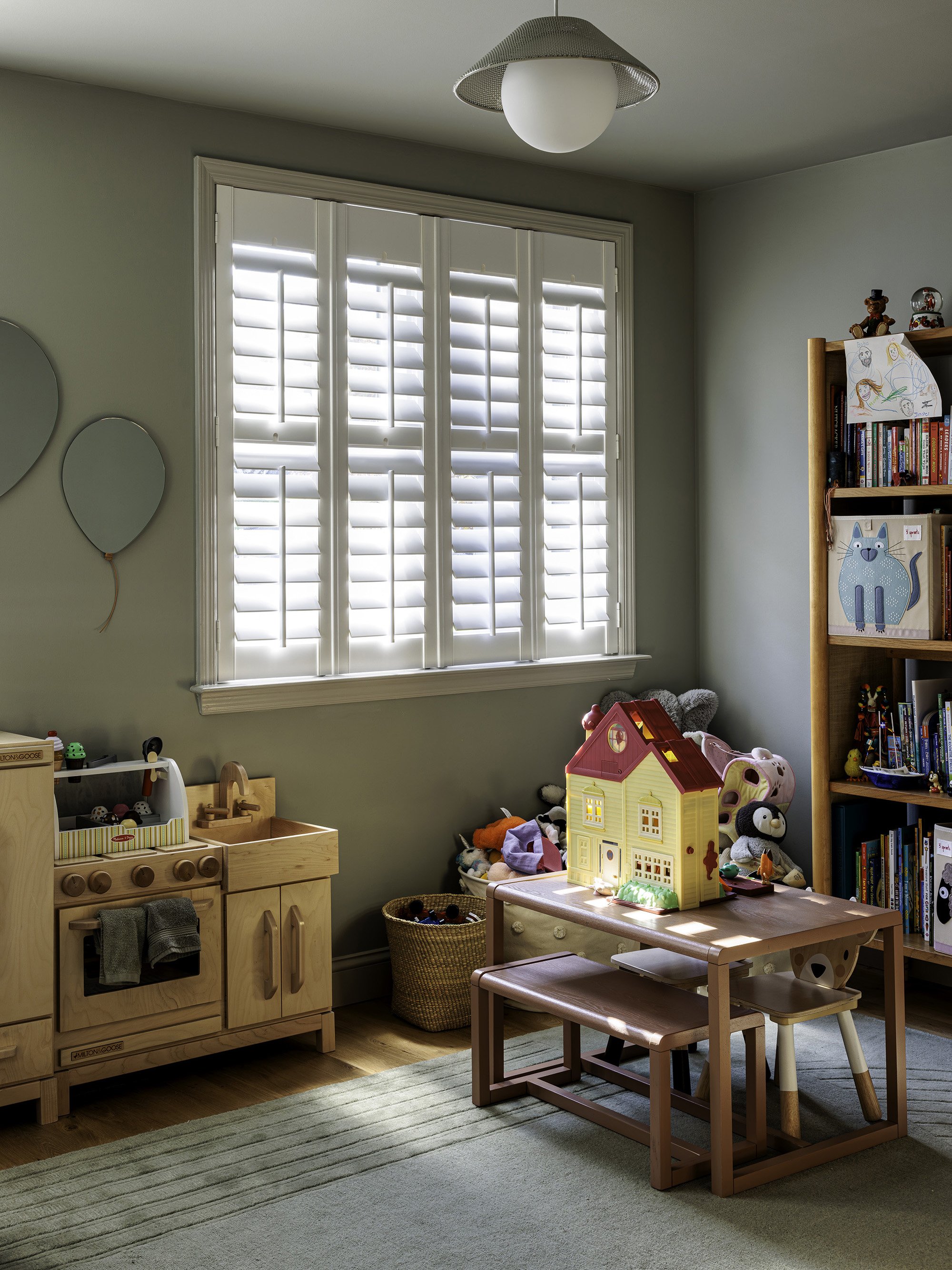
Irvington toddler room
This often means investing in well-proportioned furniture, thoughtful lighting, and materials that feel timeless. From there, more flexible elements—like bedding, artwork, and smaller accessories—can shift over time as interests change. A softly colored wall, a sculptural lamp, or a well-made desk can carry through many phases of childhood, while layers around them evolve more easily.
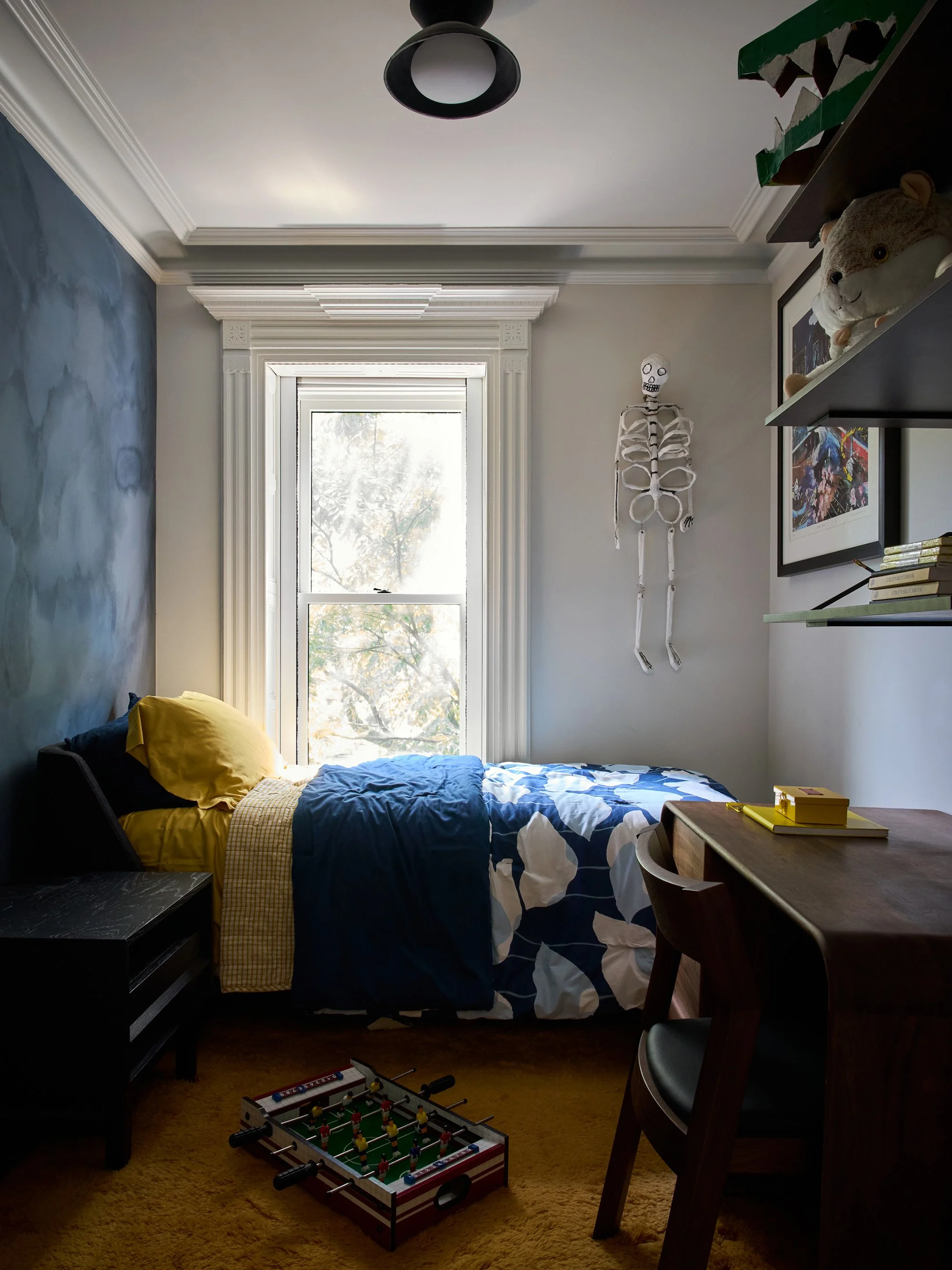
Park Slope older child’s room
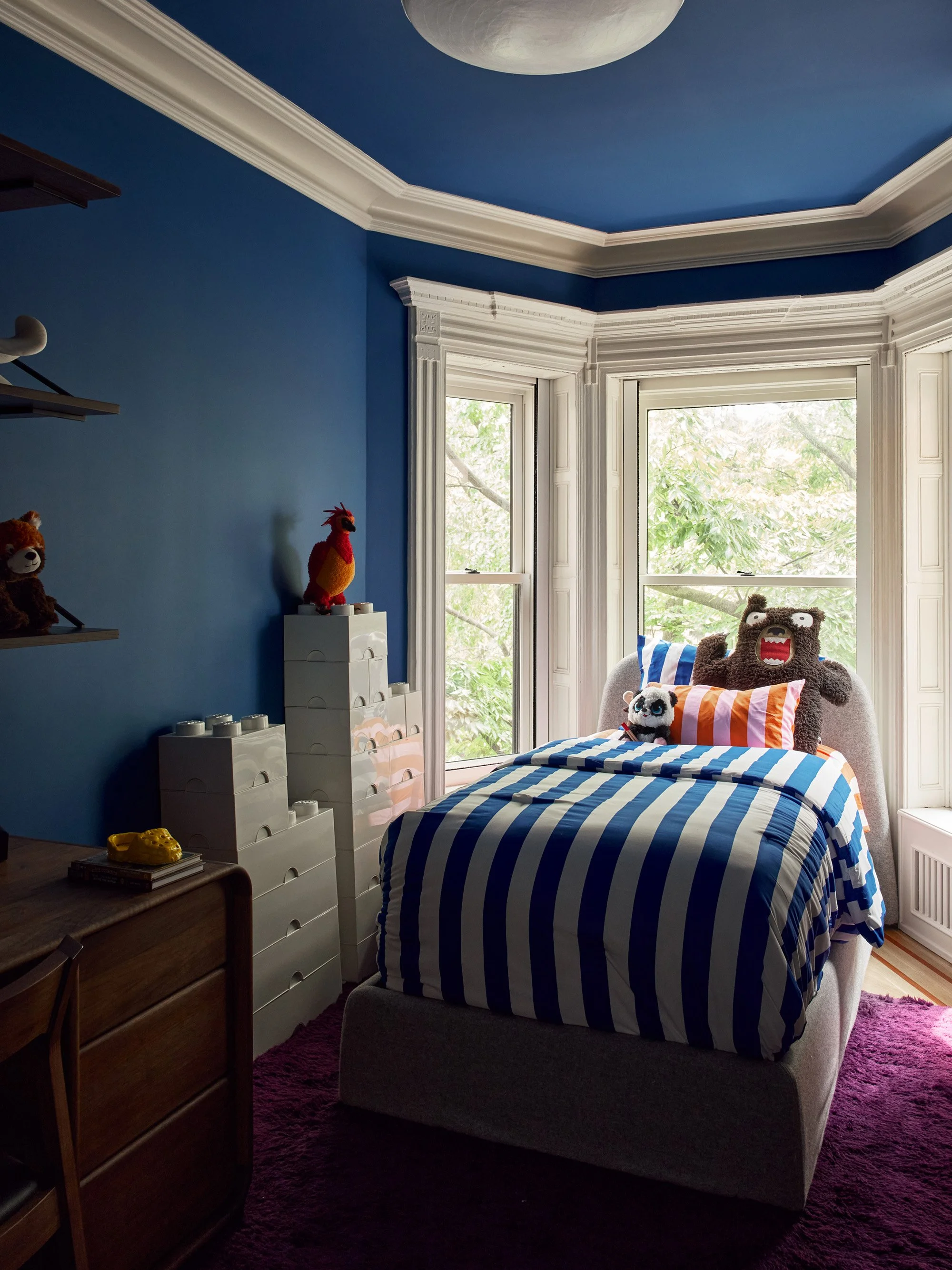
Park Slope younger child’s room
Storage is another key consideration. Designing with built-ins, integrated shelving, and concealed storage helps keep the room functional without sacrificing a sense of calm. When everything has a place, the space feels more intentional—and easier for both children and parents to live in.
Bathrooms That Balance Durability and Ease
Children’s bathrooms require a slightly different lens. These spaces are used frequently and often energetically, so durability and ease of maintenance are essential. Materials should be able to withstand water, wear, and time, while still feeling considered and cohesive with the rest of the home.
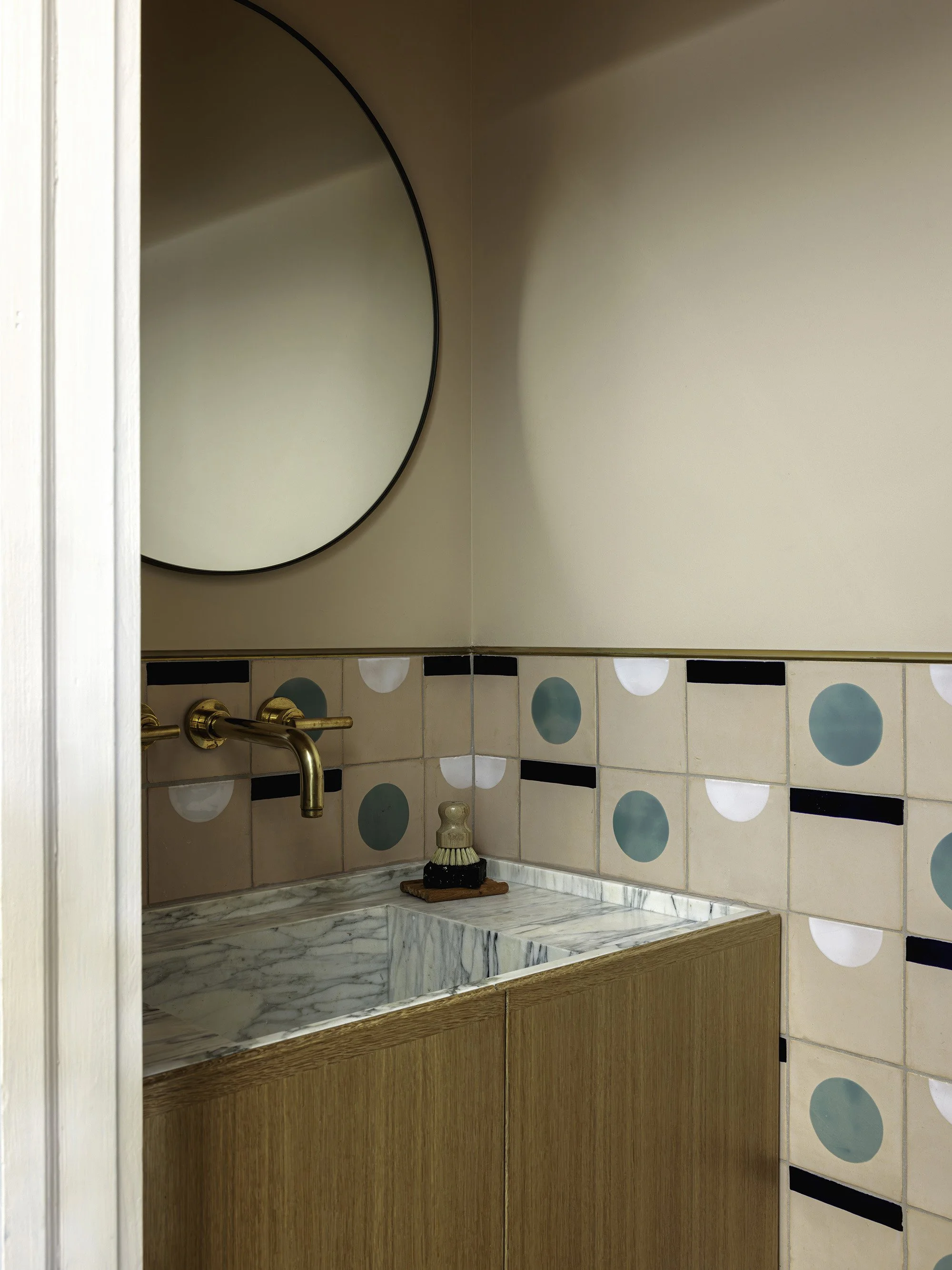
Irvington sink and vanity
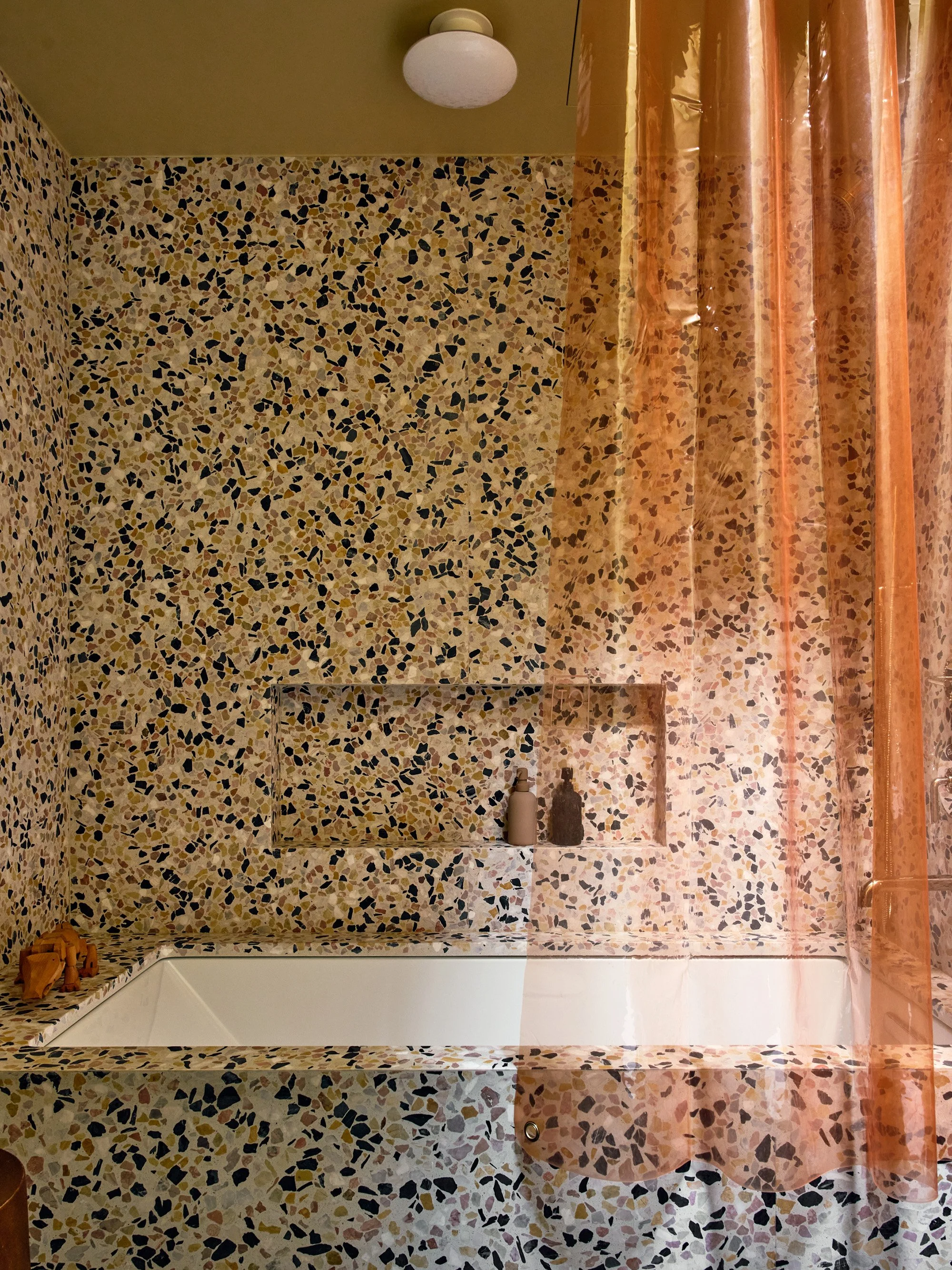
Park Slope children’s bath
We often gravitate toward tile that offers subtle texture or variation, which can help disguise wear while adding visual interest. Matte finishes, durable stone, and well-chosen grout colors all contribute to a bathroom that ages gracefully. At the same time, small moments of color—whether through tile, paint, or accessories—can make the space feel inviting without overwhelming it.
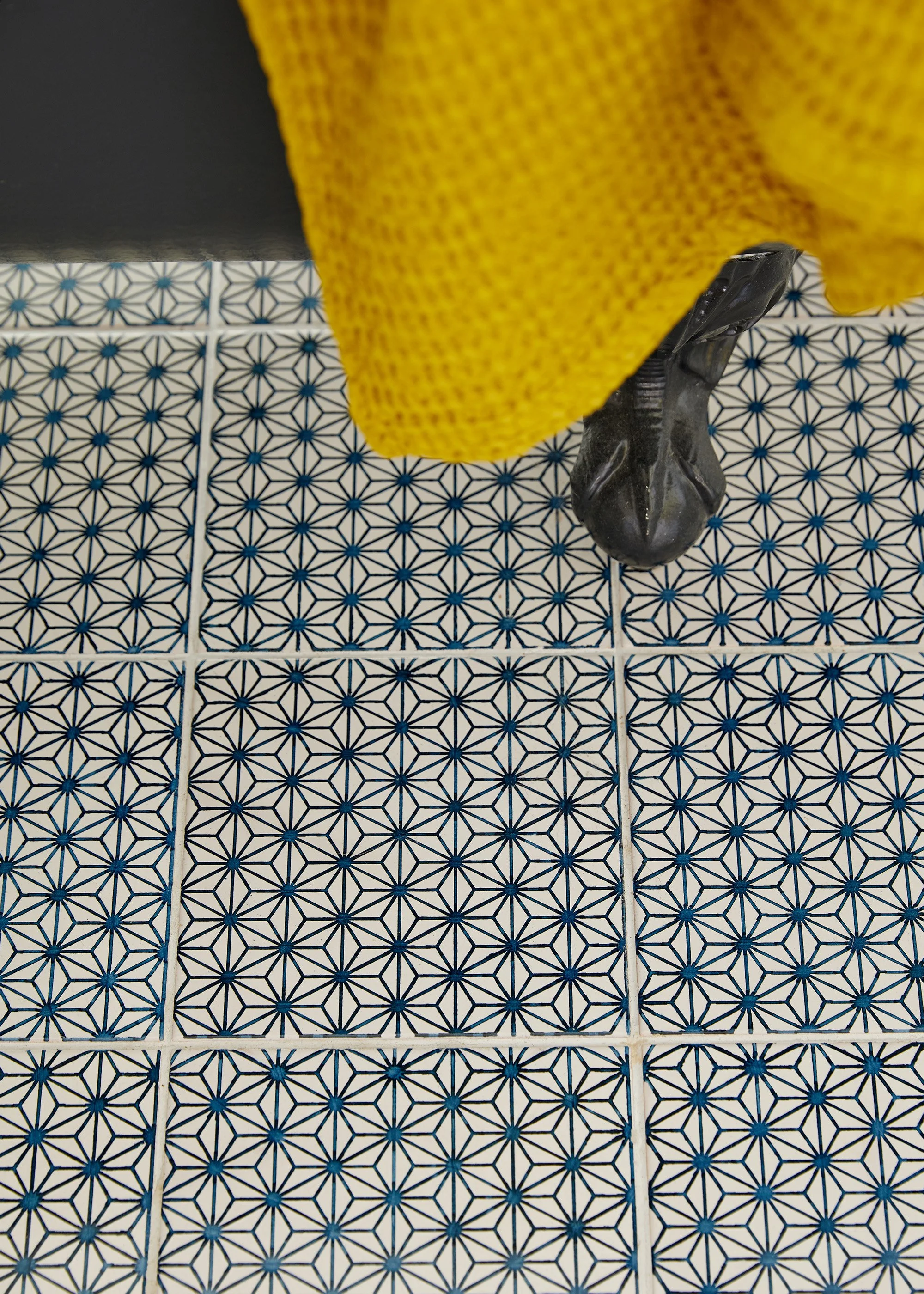
Putnam kid’s bathtub detail
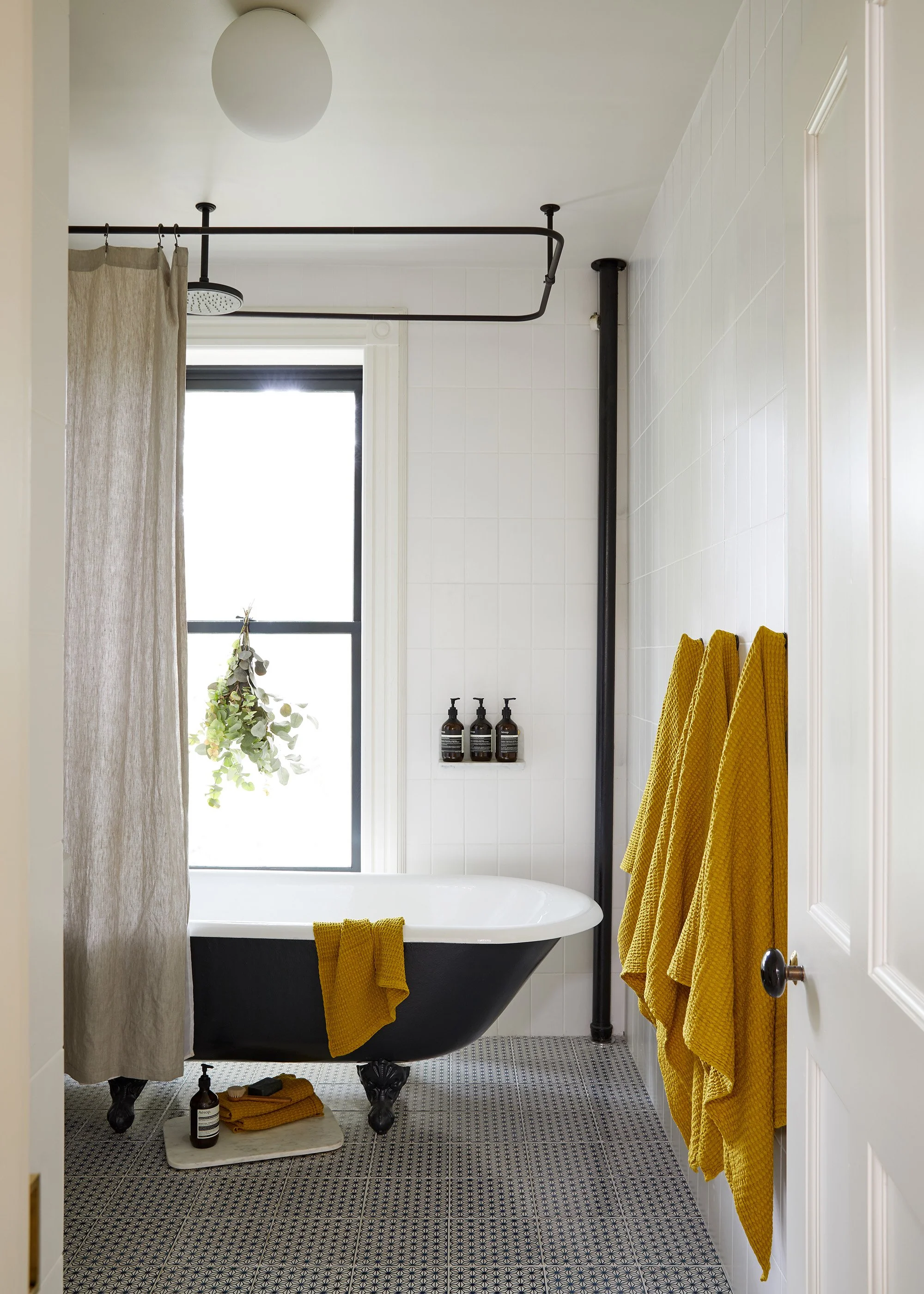
Putnam kid’s bathroom
Functionally, layouts should be intuitive and flexible. Double vanities, accessible storage, and thoughtful lighting all make daily routines smoother. As children grow, these features become even more valuable, supporting independence without requiring a full redesign.
Creating Spaces That Grow Over Time
Perhaps the most important consideration in designing for children is adaptability. These spaces should feel complete from the start, but never fixed. By focusing on strong foundational elements and allowing room for change, a bedroom or bathroom can evolve naturally alongside its user.
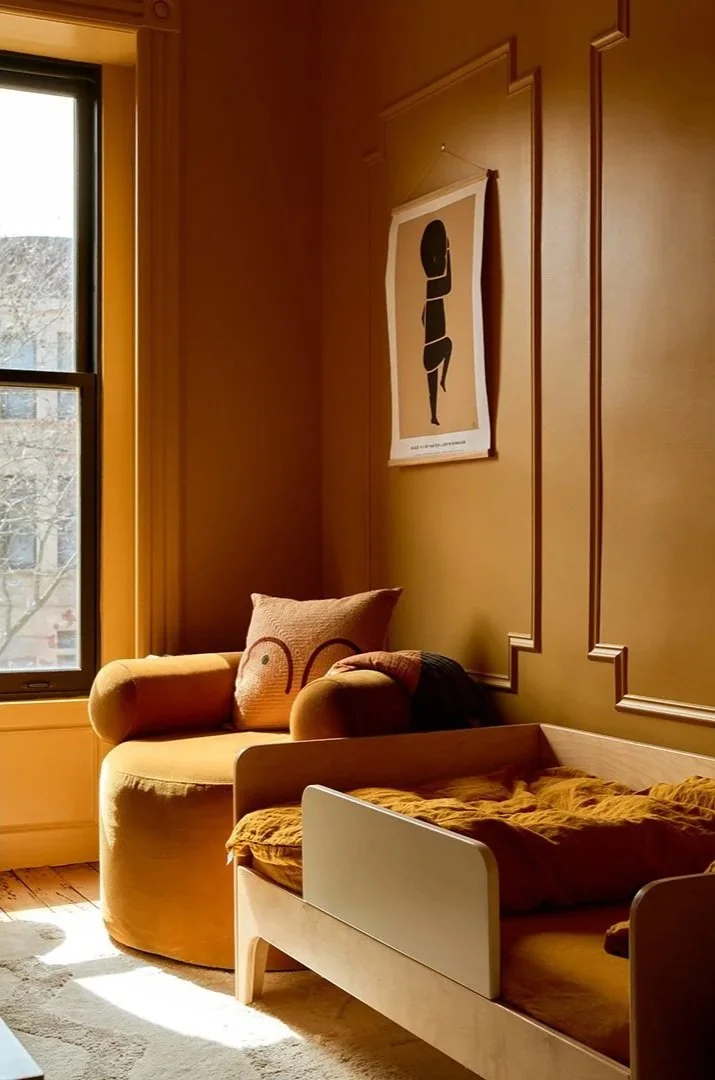
Putnam toddler room
We often think of these rooms not as “kids’ spaces,” but simply as spaces for living—designed with the same attention to material, proportion, and atmosphere as any other part of the home. The result is an environment that feels cohesive, enduring, and quietly supportive of everyday life.
In the end, the goal is not to design for a moment in time, but to create a space that can hold many moments as they unfold.